Tinsel, Textures and Type: How Motion Design Took Over the 2026 Christmas Ad Break
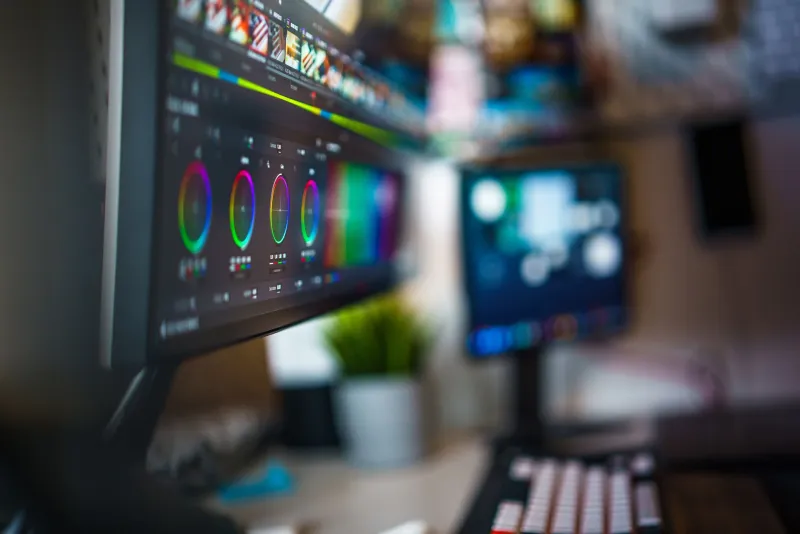
The UK Christmas ad break has always been a shoot-first business. Book the location, build the set, cast the tear-jerking moment, then let the edit find the feeling. In 2026, a sizeable chunk of that equation has quietly flipped — and you can see it play out every ad break between now and Boxing Day.
Watch closely this season and something stands out. There are fewer sweeping live-action tableaux and far more work that is unmistakably designed. Snow that behaves itself. Type that breathes on the beat. Living rooms extended by ten metres in CG. Brand characters holding an intimate close-up without a single frame having been shot on a stage. Motion design has moved from the tail end of the pipeline to the front of the brief.
The shoot didn't vanish — it shrank
Nobody is suggesting the live-action festive epic is dead. It is, however, no longer the default. Media inflation has made a single 60-second hero film an expensive way to buy attention, while BVOD, YouTube and social have turned one campaign into forty deliverables. Brands want a 20-second cutdown, a nine-by-sixteen vertical, a six-second bumper and an animated endline that still works when someone is watching with the sound off on the bus.
The result is a production model built around a compact practical shoot — a room, a window, a couple of beautifully lit textures — with everything around it designed, extended and animated afterwards. The set becomes a plate. The plate becomes a canvas. And the budget that would once have gone on a second shooting day goes on craft instead.
Four techniques carrying the emotion this year
CG set extensions with a practical core. The most convincing festive spots of 2026 are not fully synthetic. They build eight feet of real wall, light it properly, then extend the world in CG — a high street behind the window, a hallway that keeps going, a kitchen opening onto a garden under snow. Audiences read the texture as real because a decent part of it is.
Photographic 2.5D and paper-craft parallax. Collage-style animation has finally shaken off its budget-option reputation. When it is lit, layered and graded with care, it carries a handmade warmth that polished 3D often struggles to fake. Several of this year's most-shared spots lean on cut-out textures, printed grain and slow camera moves drifting through layered planes.
Simulation on a leash. Snow, breath, steam off a mug, a curtain catching the draught. The temptation in 2026 is to simulate everything at maximum fidelity. The best work does the opposite — a handful of hero sims, art-directed, with the rest suggested through grade and light. Restraint reads as confidence.
Kinetic type as the emotional beat. More campaigns are treating the endline as a piece of direction rather than a legal requirement. Letter-spacing that opens on the final chord, a logo landing half a second later than you expect, hand-drawn animation matched to the narrator's cadence. It sounds like a detail. It is usually the bit people remember in the car park.
“We're animating before the script is locked”
Ask motion designers what changed this year and the answer is rarely about software.
Priya, a motion director at a Salford studio, says the calendar is the real story. “We used to be the last stop,” she says. “Now we're on the call in week one and we're building animatics while the script is still moving. Creatively it's better. Operationally it's harder. You end up versioning a shot that hasn't been signed off, knowing full well it will change.”
Tom, a VFX supervisor working across Cardiff and Bristol, points to the sheer number of masters. “One campaign, twelve aspect ratios, four regional edits and a legal change on the Thursday,” he says. “The rendering isn't the problem. The approvals are the problem.”
That pressure lands hardest on smaller studios, where a festive campaign can arrive in October and swallow the whole team until Christmas Eve. Several designers described the same fix: agree the asset architecture before a single frame is animated, and treat the brand's logo files, fonts and product shots as production assets rather than something to chase in week five.
The unglamorous things that decide whether it lands
Sound is the big one. Motion work that looks expensive and sounds cheap is still cheap. A bespoke pass — not a library sting — on the endline and logo reveal does more for perceived quality than another ten hours of render time.
Then there is the grade. Festive warmth is not a LUT. It is warm highlights, cool shadows, halation around practical lights and skin tones that have been looked after properly. Get that wrong and the most sophisticated CG in the world reads as plastic.
And accessibility. Subtitles burned into the safe area, a version that works at six seconds with no audio, contrast that survives a phone screen in daylight. For a campaign that runs for six weeks across every platform a brand owns, these are not afterthoughts. They are the difference between a film and a piece of content.
Takeaways for brands planning next Christmas
- Bring your motion partner into the creative conversation before the script is signed off. They will save you money in the versioning stage.
- Budget for formats, not just the hero film. Twelve aspect ratios is the new normal.
- Decide early what is practical and what is designed. A real prop, lit well, sells a CG world better than anything.
- Lock brand assets up front — logo files, type licences, product photography, colour references.
- Spend on sound and grade. It remains the cheapest perceived-value upgrade available.
The heartstring still needs a human
None of this replaces the idea. A beautifully simulated snowflake drifting past a beautifully kerned endline will not make anyone cry if the story underneath is thin. What motion design has done — this year more than any other — is widen the range of stories a UK brand can afford to tell. You no longer need a stately home, a film crew and a fortnight of shooting to say something warm in thirty seconds. You need a good idea and a team who know how to build a world around eight feet of wall.
That is a genuinely good thing for the industry. It is also, quietly, why the ad break looks better in 2026 than it has in years.